The Swedish Cabin
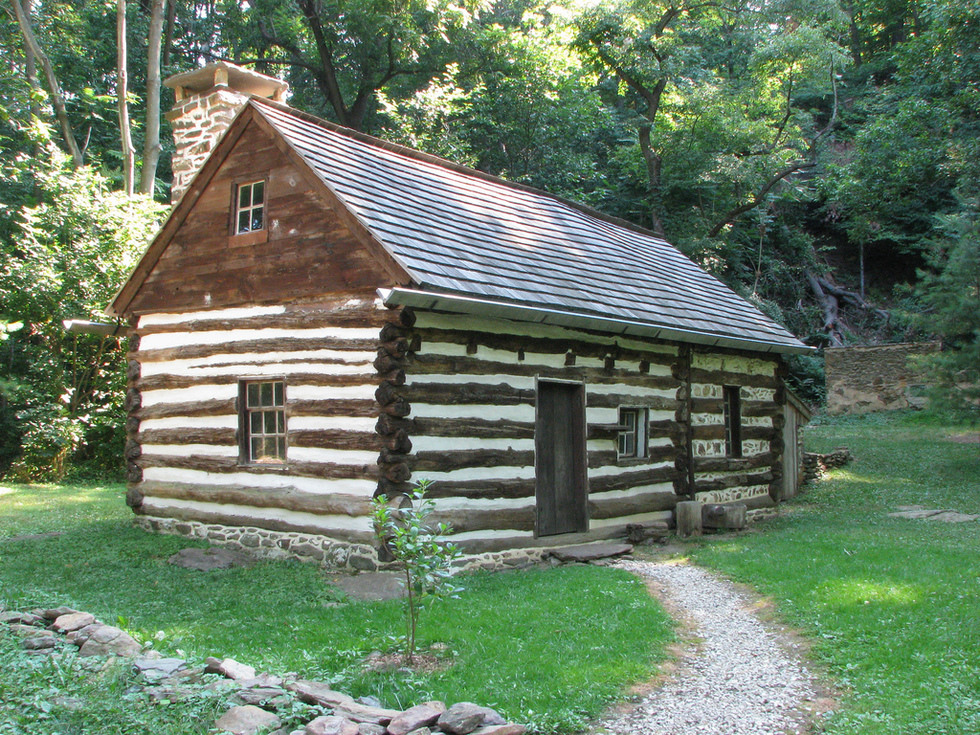
Built sometime between the 1630s and the 1650s, Pennsylvania’s Lower Swedish Cabin is one of the last remaining log cabins built by America’s Swedish settlers and still stands relatively unaltered from when it was constructed hundreds of years ago.
Sitting not far from the bustling modern construction surrounding it, the historic Lower Swedish Cabin seems like a house out of time. Built from local trees and featuring a simple two-pen plan, it was originally a farmstead whose occupants traded with the Lenape people. Later it served as housing for mill workers when mills were built along Darby Creek.
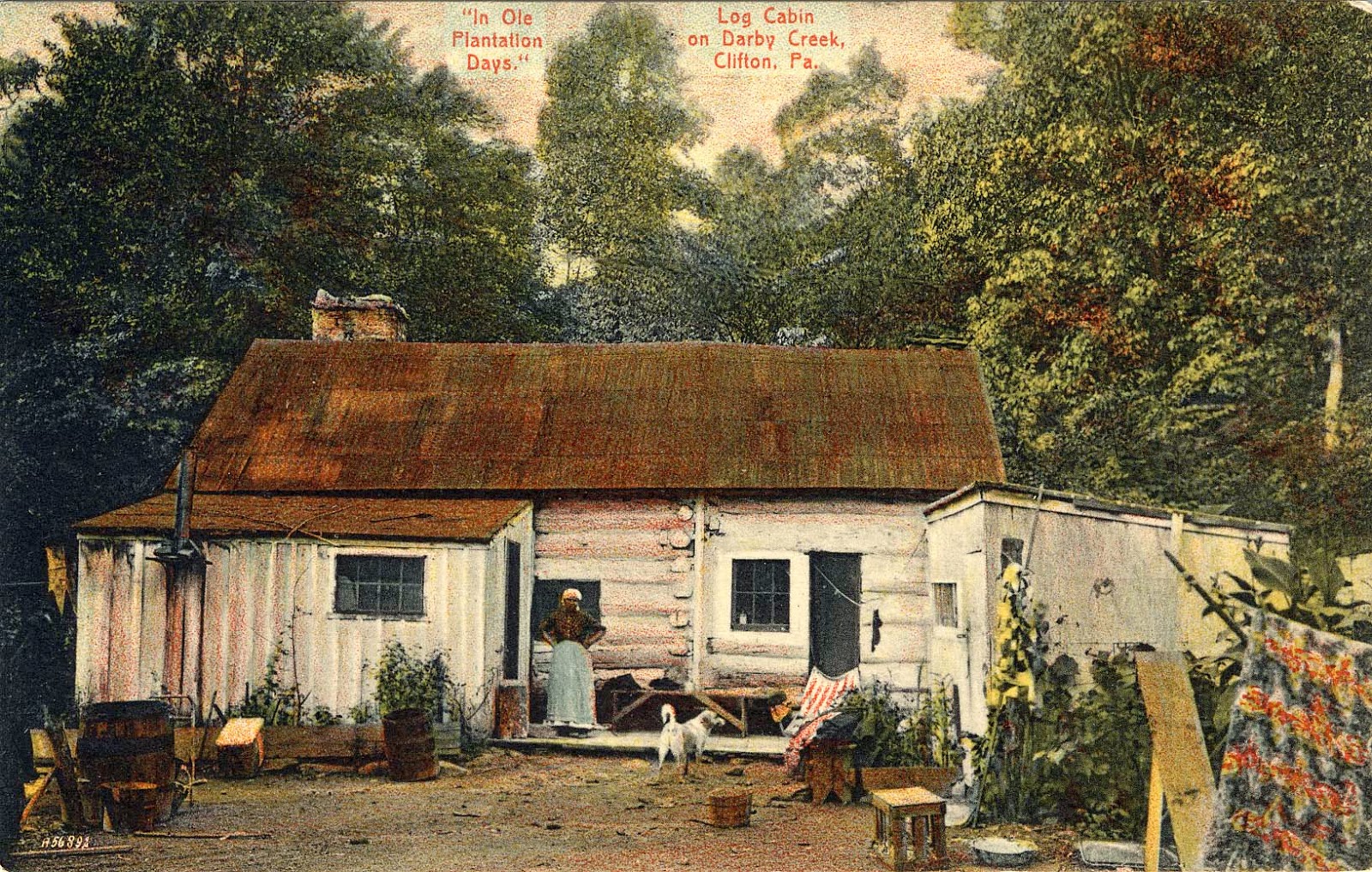
After 1900 it became a gathering place for local artists including filmmaker Sigmund Lubin. In 1941 Upper Darby Township purchased the property intending to build an incinerator, but instead allowed the Girl Scouts to use the land for a camp.
Concerned citizens later formed the Friends of the Swedish Cabin. The building was placed on the National Register of Historic Places in 1980 and restored in 1988-89.
The cabin is open to visitors from 1–4 PM Sundays, April through October.
The Blue Bell Tavern
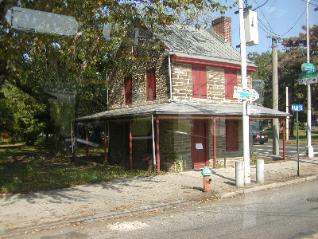
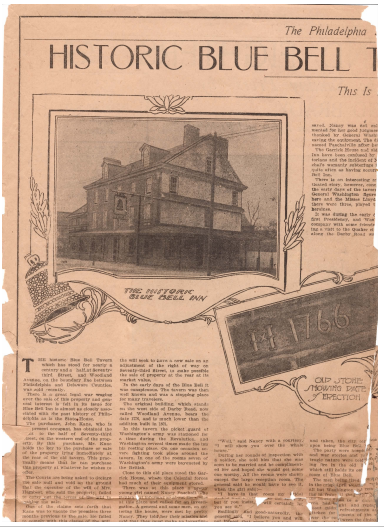
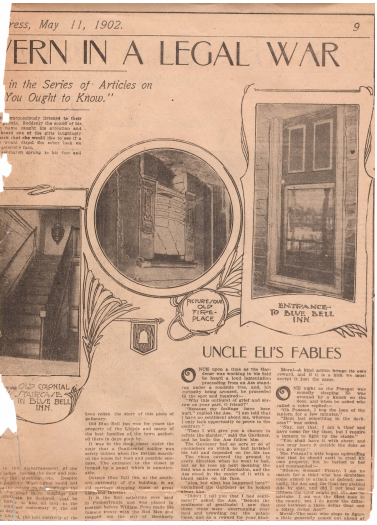
Built by Henry Paschall in 1766, the Blue Bell Inn (also known as the Blue Bell Tavern) was the location of a 1777 battle during the British occupation of Philadelphia. Blue Bell's oldest section still stands at 7303 Woodland Avenue which at one time was the main stagecoach road between Philadelphia and the southern colonies.
The Blue Bell Inn is an 18th-century two-story tavern resting on the cusp of Southwest Philadelphia and the borough of Darby. Originally built by Henry Paschall in 1766, the Blue Bell was noted for its prominent location on Kings Highway (now Woodland Avenue), a popular stagecoach route into the city.
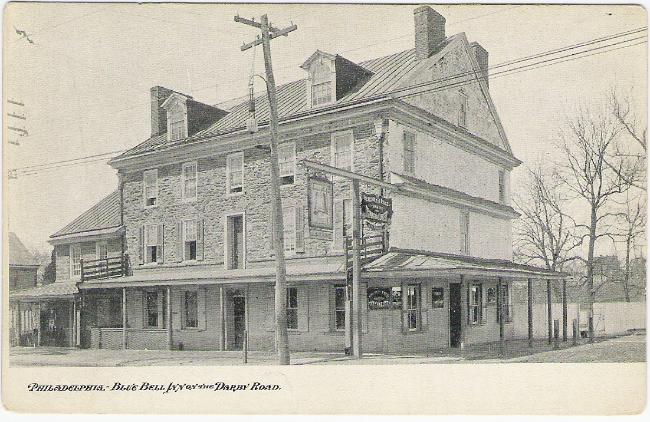
While traveling, George Washington and his soldiers frequented the Inn on several occasions, including while on their way to the Battle of Brandywine. The site is also associated with the Washington-Rochambeau Revolutionary Route, where French and American troops marched toward Yorktown, Virginia in 1781.
In November of 1777 the British controlled Philadelphia but did not control the river approaches or Fort Mifflin and Fort Mercer. Because of this, British forces had to send supply wagons to Chester, making them vulnerable to American raiding parties.
One such American group of about 28 soldiers was stationed at the Blue Bell. When British troops passed the tavern, a shot was reportedly fired from an upstairs window. The British rushed inside and captured the remaining Americans.
Click images to enlarge
Sources:
Darby History – J. Haigis
Blue Bell Postcards from the collection of Ed Springer
Top Photo by J. Haigis
John Heinz Wildlife Refuge
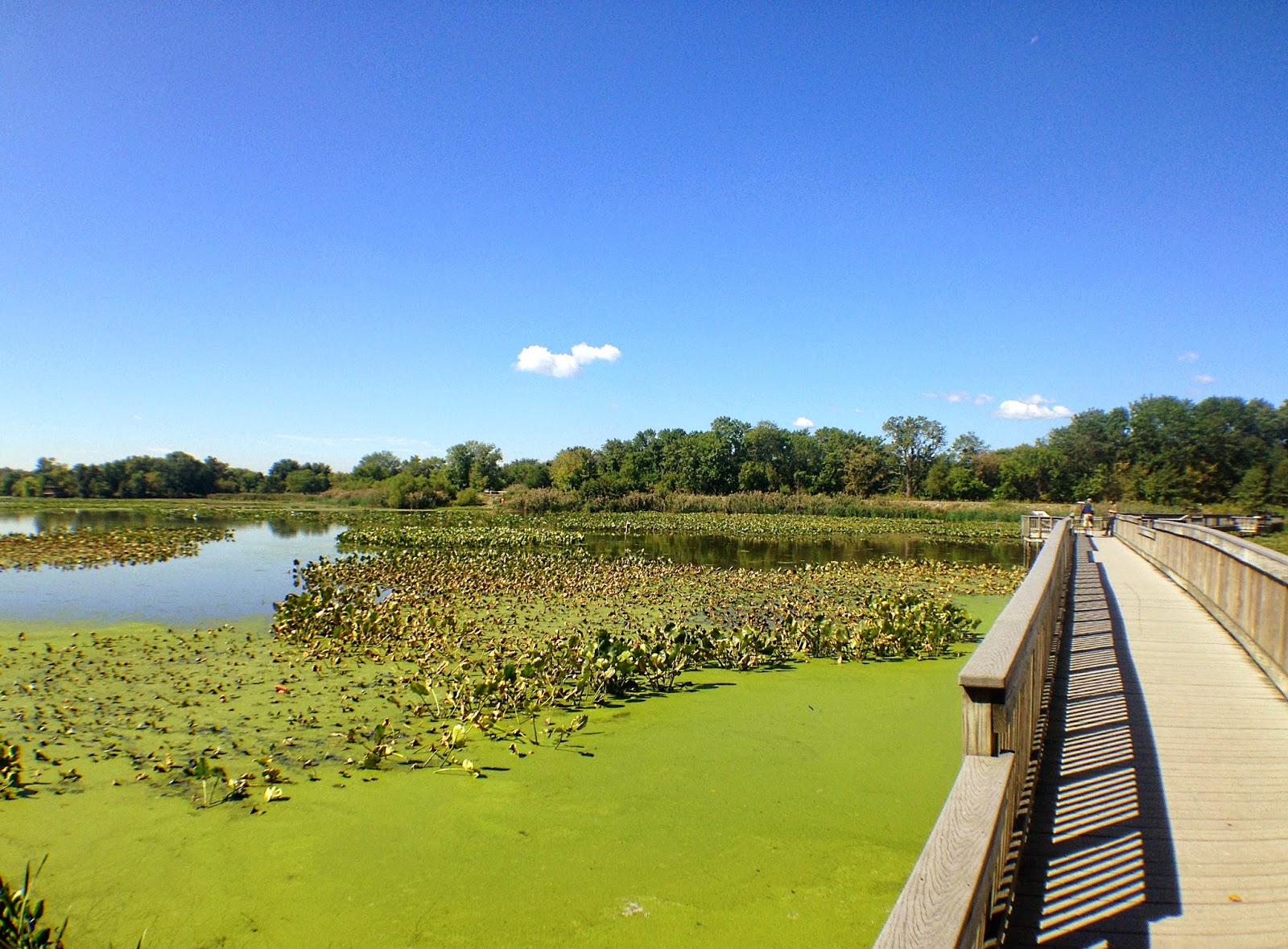
John Heinz National Wildlife Refuge at Tinicum was established in 1972 to preserve Tinicum Marsh and is America's first urban wildlife refuge.
The refuge contains over 1,200 acres of tidal marsh, forests, and fields with more than 10 miles of trails and canoe routes. It provides habitat for hundreds of species of birds, fish, and wildlife within the Delaware Estuary ecosystem.
The refuge is designated as an Important Bird Area by the National Audubon Society and offers free binocular rentals at the visitor center.
The Ridley Marina
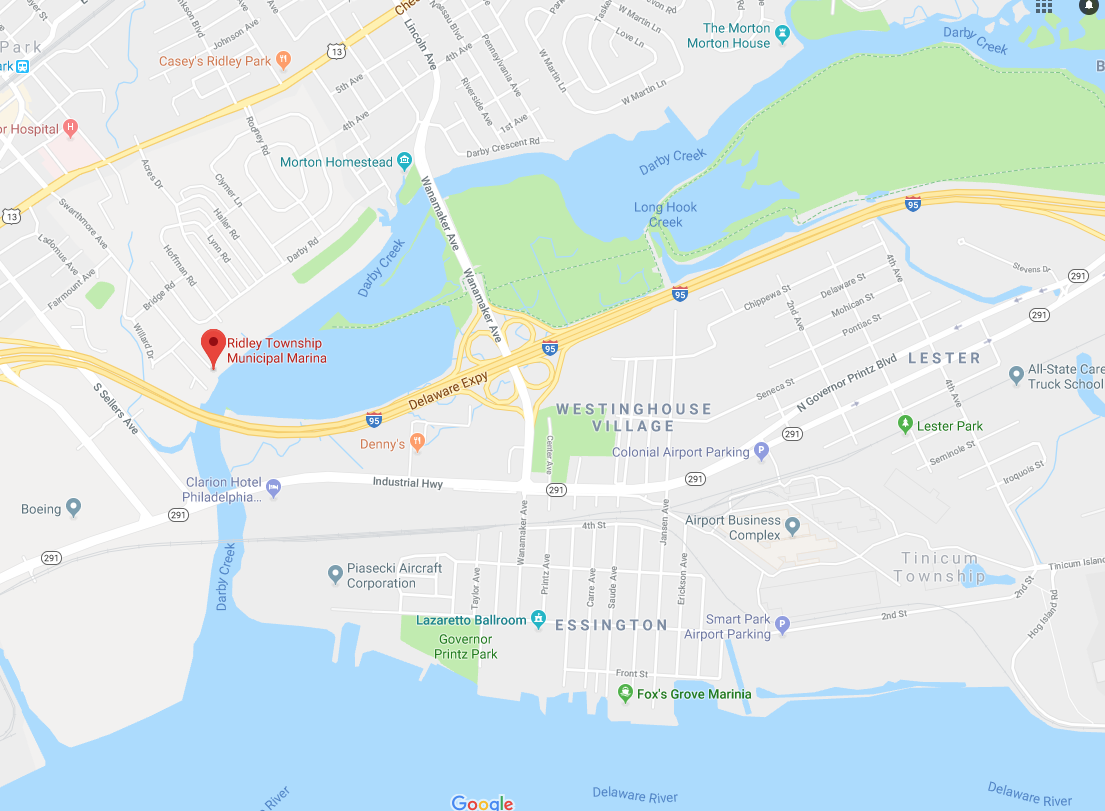
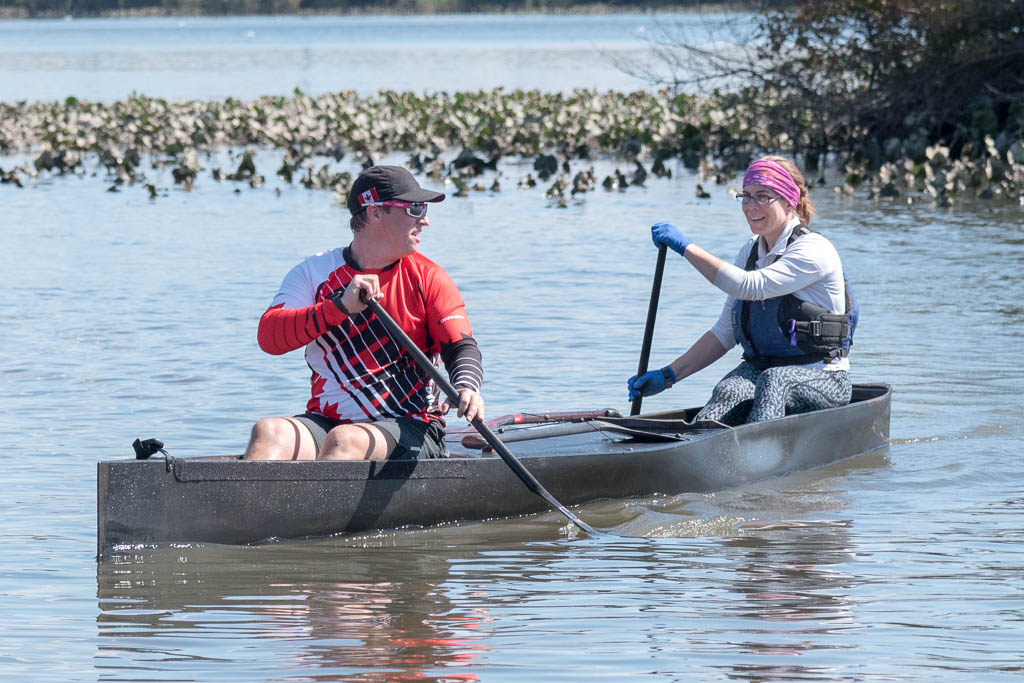
DCVA holds its annual Canoe/Kayak Race at Ridley Marina each fall. The marina is located at
401 S Swarthmore Ave, Ridley Park.
The marina was purchased in 2002 by Ridley Township with the help of federal, state, and county grants. Since then many improvements have been made.
The marina features 97 slips, dry storage, a public boat ramp, fishing pier, and the “Water's Edge” banquet hall which accommodates up to 120 guests. The site also hosts public events and the restaurant Stingers.
Seasonal Ramp Passes: $125 if purchased by January 31, $150 afterward.
%20orginal.jpg)